We partner with physicians, dental practices, and wellness organizations to host on-site screening days. Your patients gain direct insight into their cardiovascular health — you gain a powerful risk-assessment tool with no equipment investment.
We bring equipment, technicians, scheduling, and reporting to your location — a turnkey screening day.
Standardized imaging and measurements for every patient, written to drop into your workflow.
Each partner practice gets its own pre-filled ordering page, so your team can order a patient's scan in a few clicks.
Annual re-screening helps your practice monitor change in each patient over time.
From first call to follow-up, we handle the logistics so your team can focus on patients.

We agree on a date and a simple room setup, and help you invite the right patients with ready-made materials.
Certified sonographers arrive with the ultrasound equipment, check-in, and scheduling — no capital cost or equipment for you to maintain.
Each CIMT scan takes about 15 minutes. Patients stay clothed and comfortable, with no prep, needles, or radiation.
Standardized images and measurements for every patient, written to drop cleanly into your workflow and prevention conversations.
Annual re-screening helps you and your patients monitor change in the artery wall over time.
A CIMT report turns “you should watch your heart health” into something concrete a patient can see — which makes prevention conversations land, and follow-through more likely.
Trusted by physicians
“CardioRisk Laboratories is a necessary and great collaborative partner for my practice providing me with reliable and precise reports on the CIMTs for my patients.”
Dr. Eric A. Goulder, MD, FACC
“Dr. Todd Eldredge helped save my life with his knowledge, expertise, and experience. I was headed for a Cardiovascular Episode, but now I'm on the road to recovery & wellness.”
Dr. Tim Harbolt, DMD
“Dr. Todd Eldredge is a source of truth, defended with a thorough understanding of clinical research statistics, voluminous knowledge of cardiovascular risk factor testing methods and study results, and passion for respectful, vigorous debate so patients get the most effective interventions to reduce cardiovascular morbidity and mortality.”
Dr. Stephen Sims, MD
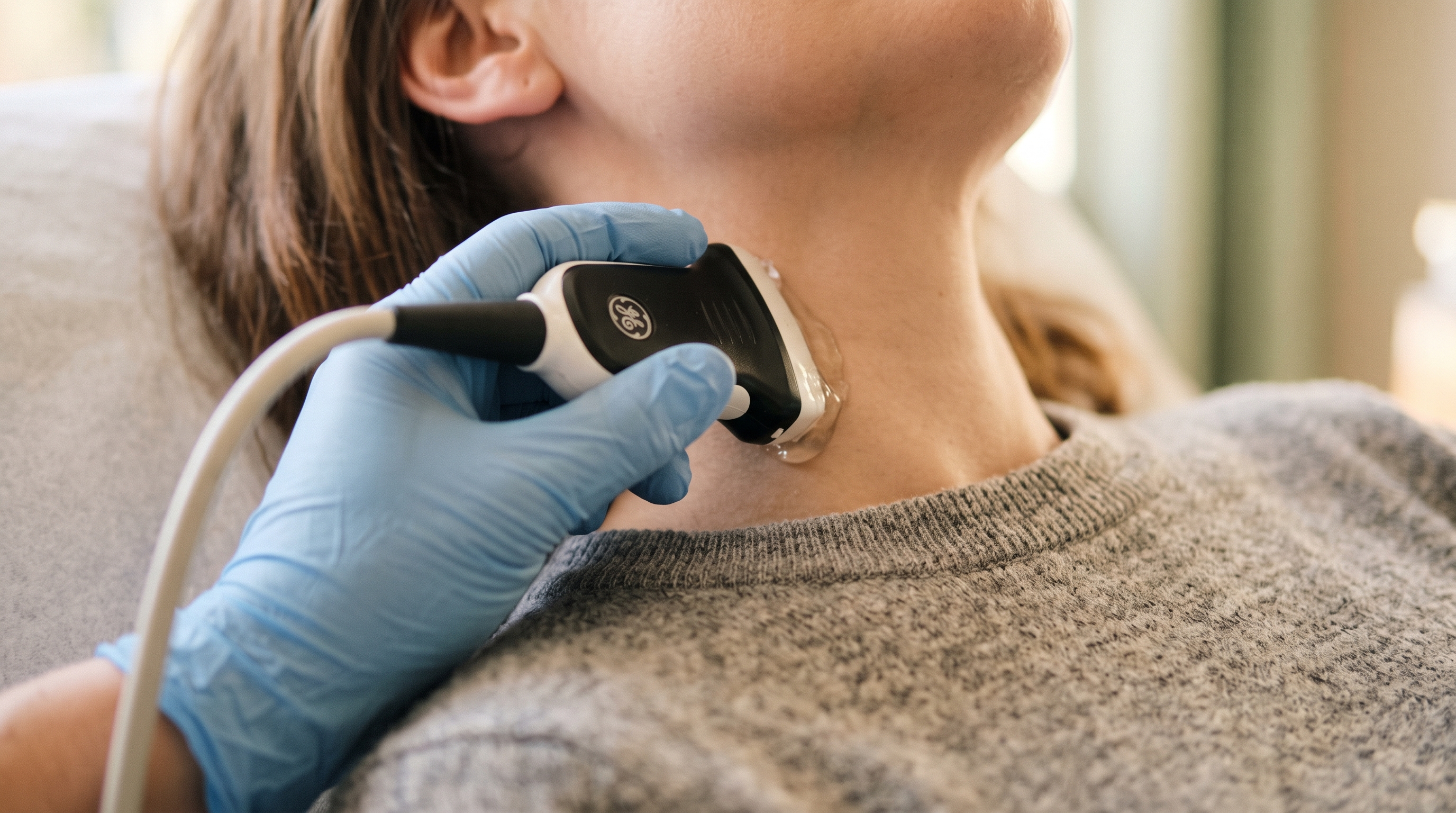
CIMT is a non-invasive look at the artery wall itself — a complement to risk calculators and lipid panels, not a replacement.
Sources: O’Leary DH, Bots ML. Imaging of atherosclerosis: carotid intima-media thickness. Eur Heart J. 2010;31(14):1682–1689. · Riches NO, Alder S, White GL, et al. Standardized ultrasound protocol, trained sonographers and digital system for carotid atherosclerosis screening. J Cardiovasc Med. 2010;11(9):683–688.
Add a concrete prevention touchpoint to annual visits and wellness programs.
Give borderline-risk patients an early, trackable look at the artery wall.
Act on the oral-systemic link — a natural fit for Bale-Doneen and AAOSH practices.
Pair direct imaging with the advanced testing your patients already expect.
A premium, differentiated screening that reinforces a proactive membership.
On-site cardiovascular screening days as part of a workplace wellness benefit.
There's no capital cost and no equipment to buy or maintain. We'll walk you through the simple terms for a screening day when we talk.
Scans are performed by trained sonographers, and the resulting reports are reviewed by qualified clinicians before they're provided to you and your patient.
A room or quiet space, a point of contact to coordinate scheduling, and a list of patients you'd like to invite. We bring everything else.
Screenings are typically self-pay for the patient, and HSA/FSA funds may apply. We handle patient-facing booking and payment through your branded page.
It depends on patient volume — each scan takes about 15 minutes. We'll help you plan a schedule that fits your day.
Tell us about your practice and we'll show you how a CIMT screening day works.
